Summary
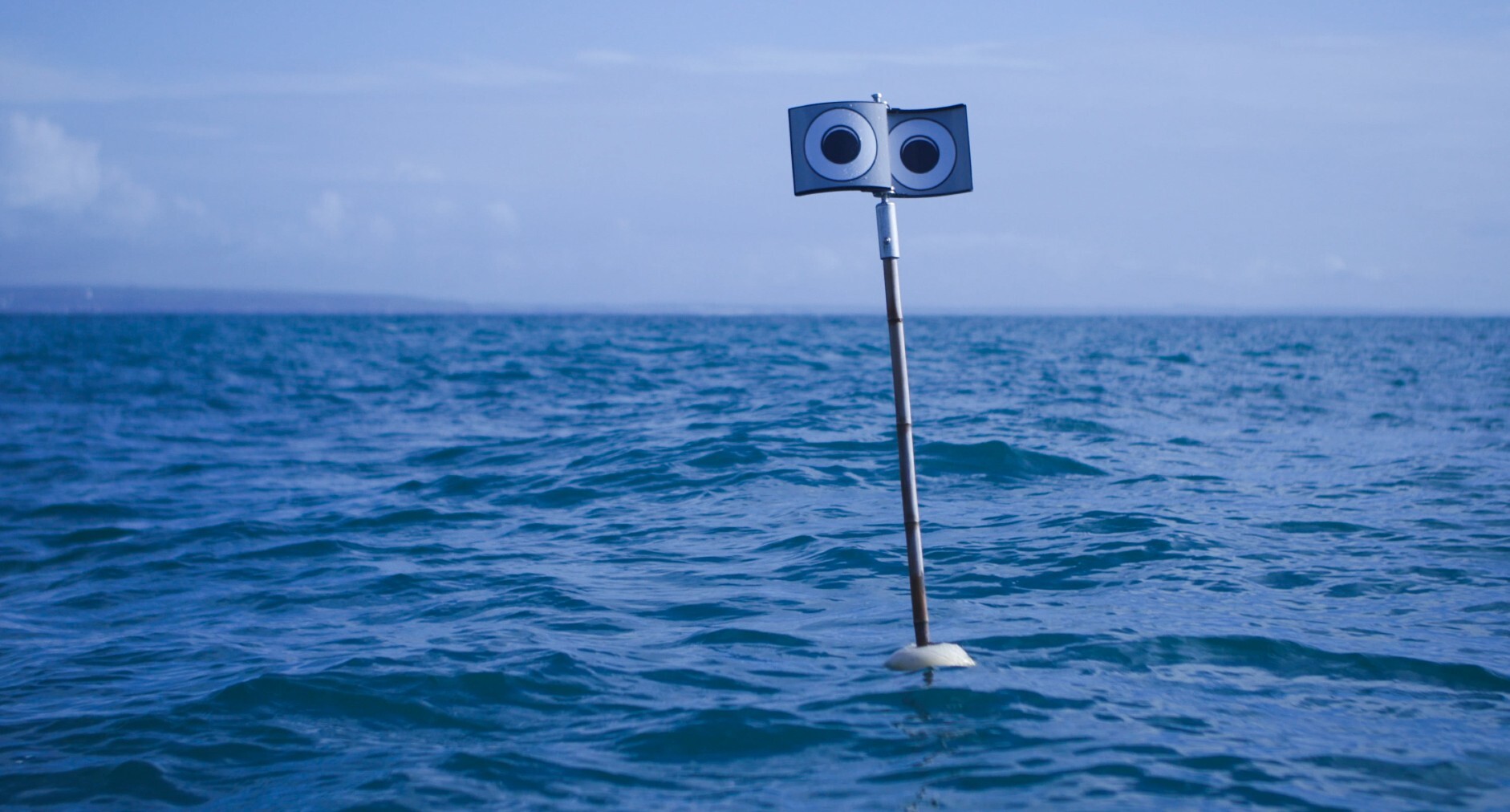
New research highlights the intriguing impact of eye imagery in nature, particularly through the use of ‘floating scarecrows’ that demonstrate how the presence of eyes can deter unwanted visitors in various ecosystems.
Key Details
Scientists have long understood that many animals respond to the presence of eyes, often equating them with the threat of being watched. This has led to the innovative concept of ‘floating scarecrows,’ which utilize eye-like designs to protect crops and deter pests. Key findings include:
- Eyes create a perception of being observed, influencing animal behavior.
- Floating scarecrows are designed to mimic real eyes, enhancing their effectiveness.
- This method has applications in agriculture and wildlife management.
Why It Matters
The use of eye imagery in nature serves as a compelling reminder of the complex interactions between species. Understanding how animals perceive threats can help in developing more effective pest control strategies, ultimately promoting sustainable agriculture and protecting ecosystems.
What Could Happen Next
As research continues, we may see broader applications of ‘floating scarecrow’ technology beyond agriculture. Potential developments could include enhancing wildlife conservation efforts and creating more effective deterrents for invasive species, reshaping how we interact with our environment.